
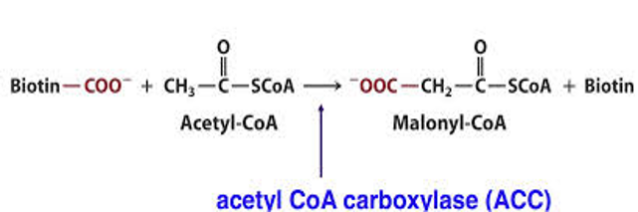
TCA cycle

Clinical Biochemistry Case Studies: Master Carbohydrate, Amino Acid Metabolism & Enzyme Dynamics

Through 25 hypothetical clinical cases and scenarios, this activity challenges learners to integrate concepts of carbohydrate metabolism, amino acid metabolism, oxidative phosphorylation, and enzyme dynamics. Participants will encounter questions highlighting real-world clinical relevance, such as the role of glycolytic intermediates, gluconeogenesis regulation, enzyme inhibition, and metabolic dysfunction in diseases like vitamin deficiencies and hyperammonemia. This engaging exploration enhances critical thinking and bridges biochemical theory with clinical practice.
Clinical Biochemistry Case Studies: Master Carbohydrate, Amino Acid Metabolism & Enzyme Dynamics Read More »

Impaired TCA cycle enzyme activity

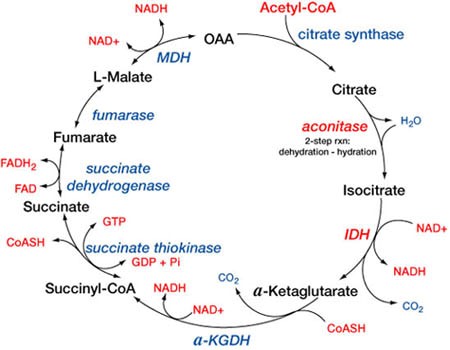
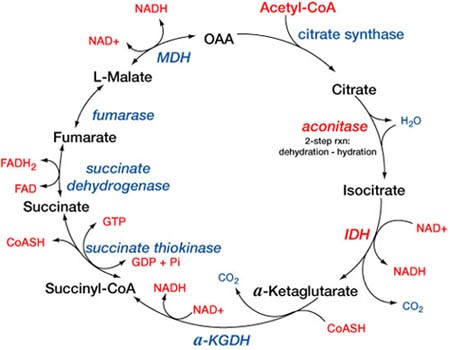
A postoperative patient on intravenous fluids develops lesions in the mouth (angular stomatitis). Urinalysis indicates an excretion of 15 μg riboflavin/mg creatinine, which is abnormally low. Which of the following TCA cycle enzymes is most likely to be affected? Citrate synthase Isocitrate dehydrogenase Fumarase Malate dehydrogenase Succinate dehydrogenase Details- E) – Succinate dehydrogenase is the

Impaired TCA cycle enzyme activity Read More »

Impaired TCA cycle enzyme activity in angular stomatitis

A postoperative patient on intravenous fluids develops lesions in the mouth (angular stomatitis). Urinalysis indicates an excretion of 15 μg riboflavin/mg creatinine, which is abnormally low. Which of the following TCA cycle enzymes is most likely to be affected? Citrate synthase Isocitrate dehydrogenase Fumarase Malate dehydrogenase Succinate dehydrogenase Details- E) – Succinate dehydrogenase is the

Impaired TCA cycle enzyme activity in angular stomatitis Read More »

×