January 2020

Case study- Gaucher disease

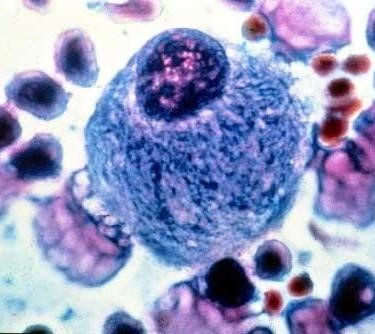
Case Details A 25 –year-old woman presents, with a history that includes- a) Hepatosplenomegaly with eventual removal of the spleen b) Bone and joint pains with several fractures of the femur. c) A liver biopsy that shows wrinkled-looking cells with an accumulation of Glucosyl ceramide, What would be the likely diagnosis for this patient? Case […]

Case study- Gaucher disease Read More »
Characteristics of phospholipids

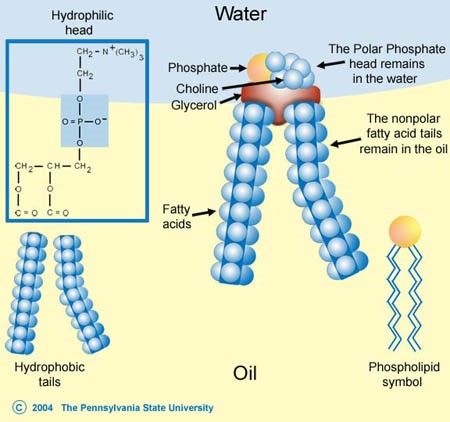
Q.1- Which one of the following characteristics of phospholipids is correct? A. They always contain choline and glycerol B. They are an important source of energy during fasting C. They are major components of membranes D. They are uncharged at physiological pH E. They are water-insoluble. Details The correct answer is -C. The phospholipids are

Characteristics of phospholipids Read More »

Acid-Base Balance-Lecture-1- Significance of pH

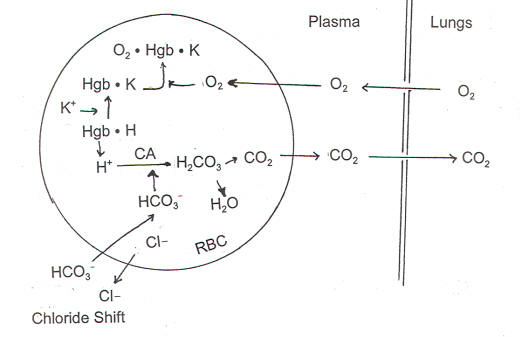
Acid-base balance An acid is a substance that can donate hydrogen ions (H+), and a base is a substance that can accept H+ ions, regardless of the substance’s charge. H2 CO3 (acid) «H+ + HCO3 – (base) Strong acids are those that are completely ionized in body fluids, and weak acids are those that are

Acid-Base Balance-Lecture-1- Significance of pH Read More »

Role of Ethanol in Acute Ethylene Glycol (Automobile antifreeze) Poisoning

Case detail A 3-year-old girl was brought into the Emergency Room. She was cold and clammy and was breathing rapidly. She was obviously confused and lethargic. Her mother indicated that she had accidentally ingested automobile antifreeze (ethylene glycol) while playing in the garage. Following gastrointestinal lavage and activated charcoal administration, a nasogastric tube for ethanol

Role of Ethanol in Acute Ethylene Glycol (Automobile antifreeze) Poisoning Read More »

Alcohol induced metabolic changes- a case study

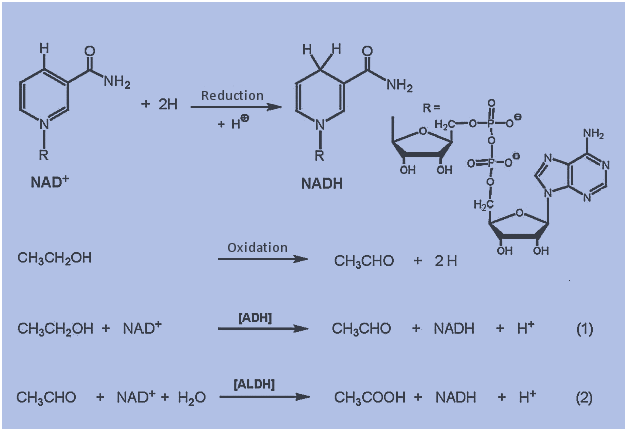
Case details A 65-year-old man was admitted to the emergency department in an unconscious state. Apparently, he had become increasingly depressed after the death of his younger son two months ago. Previously, before his death, he had been a moderate drinker, but consumption of alcohol had increased markedly over the last few weeks. He had

Alcohol induced metabolic changes- a case study Read More »

Lipid chemistry- Multiple-choice questions-set-4

Q.1- Endogenously synthesized triacylglycerols are transported from the liver to extrahepatic tissues by which of the following lipoproteins? a) Chylomicrons b) VLDL c) LDL d) HDL Q.2- All of the following have 18 carbon atoms except – a) Linoleic acid b) Palmitic acid c) Linolenic acid d) Stearic acid         Q.3- Sphingosine is not present in- a) Cerebrosides

Lipid chemistry- Multiple-choice questions-set-4 Read More »

Lipid Chemistry- Multiple-choice questions-set-3

Q.1- Which out of the  following alcohols  is used for waxes? a) Cholesterol                                                                    b) Glycerol c)  Cetyl Alcohol                                                                d) Sphingol                                         Q.2- Choose the Dienoic fatty acid out of the following- a) Oleic acid                                                                        b) Linoleic acid c) Linolenic acid                                                                 d) Stearic acid                                    Q.3- Which of the following lipids is abundantly present in the white

Lipid Chemistry- Multiple-choice questions-set-3 Read More »

Lipid chemistry- Multiple-choice questions-set-2

Q.1- Which of the following lipids is a charged lipid? a) Phospholipid b) Cholesterol b) Triacylglycerol d) Glucocerebroside Q.2- Choose the ω9 fatty acid out of the following- a) Oleic acid b) Linoleic acid c) Linolenic acid d) Stearic acid Q.3- Choose the incorrect statement about fatty acids out of the following- a) The melting

Lipid chemistry- Multiple-choice questions-set-2 Read More »

Practice questions-set-7

1) The energy yield during the conversion of Succinate to Fumarate is- a) 2ATP b) 1ATP c) 3ATP d) No ATP       2)  Which of the following occurs in non-shivering thermogenesis? a) Glucose is oxidized to lactate b) Fatty acids uncouple oxidative phosphorylation c) ATP is spent on heat production d) Glycogen is excessively degraded 3)

Practice questions-set-7 Read More »

Problem-oriented clinical questions -set- 4 (solved with complete explanations)

46) – A 30-year-old man has been fasting for religious reasons for several days. His brain has reduced its need for glucose by using which substances as an alternate energy source? a) Fatty acids b) Beta-hydroxybutyrate c) Glycerol d) Beta carotene e) Amino acids 47) – A 7-year-old girl is brought to the emergency department by

Problem-oriented clinical questions -set- 4 (solved with complete explanations) Read More »

×