Methotrexate-mechanism of action, side effects, and significance

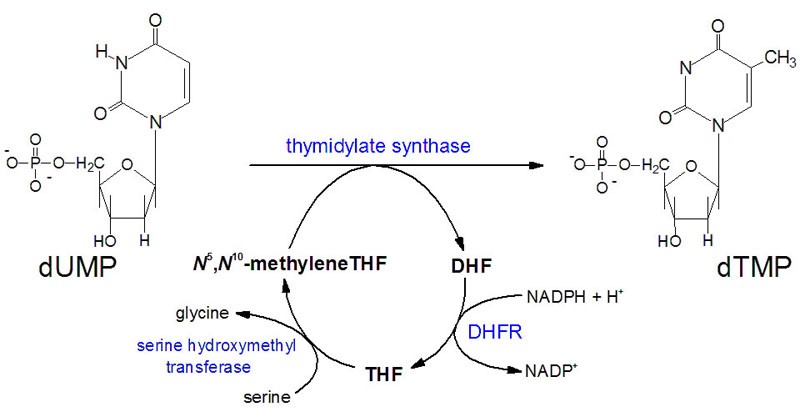
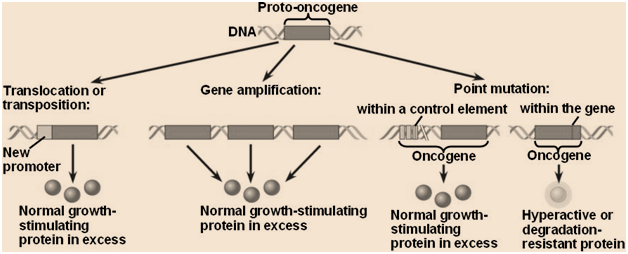
Methotrexate Methotrexate is an antimetabolite. A broad definition of antimetabolites would include compounds with structural similarity to precursors of purines or pyrimidines or compounds that interfere with purine or pyrimidine synthesis. Antimetabolites can cause DNA damage indirectly, through misincorporation into DNA, abnormal timing or progression through DNA synthesis, or altered function of pyrimidine and purine […]

Methotrexate-mechanism of action, side effects, and significance Read More »

Case study- Luft syndrome (Hypermetabolic mitochondrial syndrome)

Case Study A 30 -year- old patient reported to medical OPD complaining of generalized weakness, excessive perspiration, and high caloric intake without an increase in body weight. From the age of seven, she had suffered from profuse sweating that forced her to change clothes about ten times a day. To compensate for the loss of

Case study- Luft syndrome (Hypermetabolic mitochondrial syndrome) Read More »

Electron Transport Chain -strictly aerobic (a brief review)

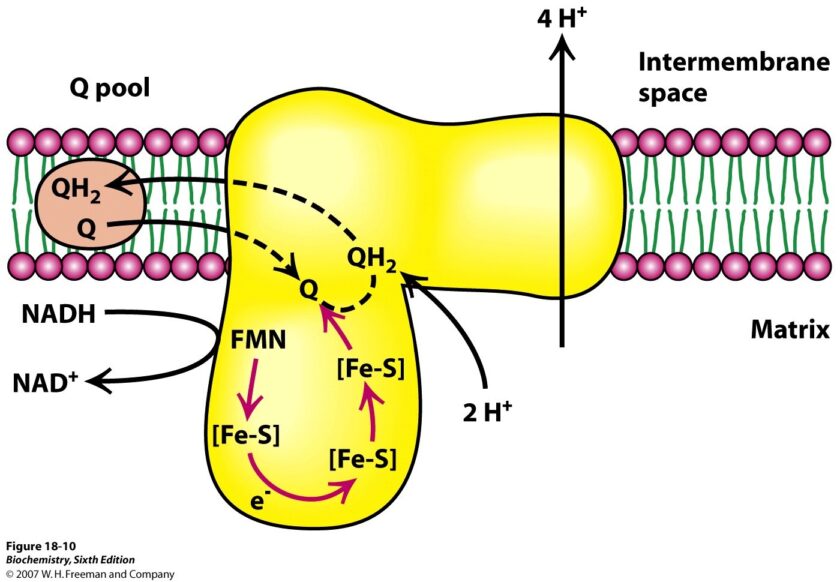
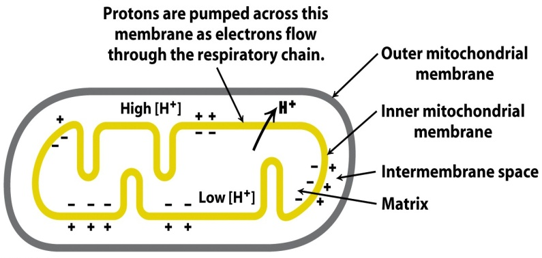
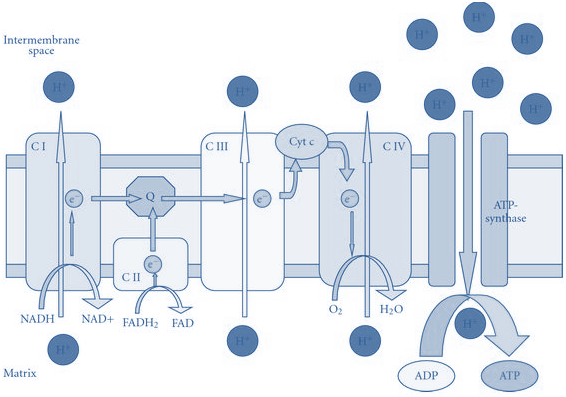
Introduction Most of the energy liberated during the oxidation of carbohydrates, fatty acids, and amino acids are made available within mitochondria as reducing equivalents (—H or electrons). The NADH and FADH2 formed in glycolysis, fatty acid oxidation, and the citric acid cycle are energy-rich molecules because each contains a pair of electrons having a high

Electron Transport Chain -strictly aerobic (a brief review) Read More »

Complete oxidation of glucose in skeletal muscle yields 36 ATPs while in other tissues the yield is 38 – what might be the reason?

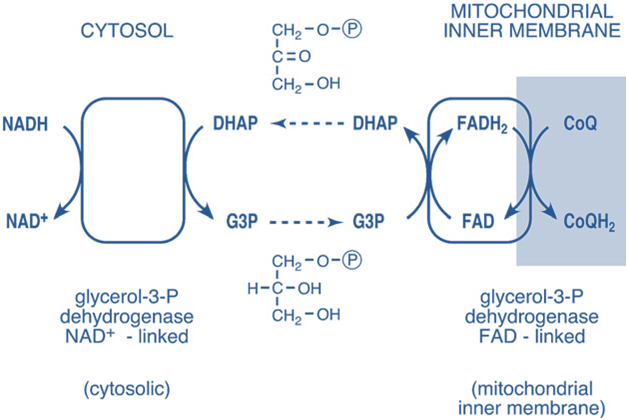
Under aerobic conditions regeneration of cytosolic NAD+ from cytosolic NADH is accomplished by transferring electrons across the mitochondrial membrane barrier to the electron transport chain where the electrons are transferred to oxygen. There are two different shuttle mechanisms whereby this transfer of electrons across the membrane to regenerate cytosolic NAD+ can be accomplished, the glycerol 3-phosphate shuttle and the malate-aspartate

Complete oxidation of glucose in skeletal muscle yields 36 ATPs while in other tissues the yield is 38 – what might be the reason? Read More »

Non-shivering thermogenesis : uncoupling of oxidative phosphorylation

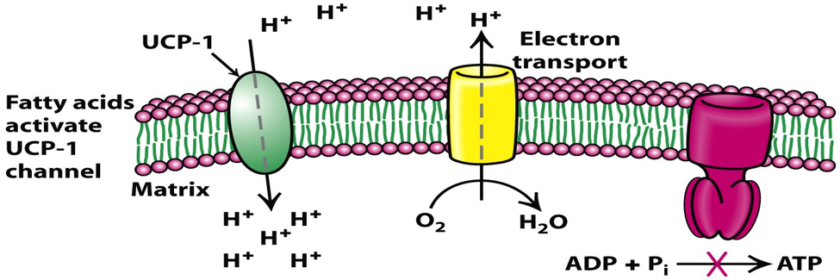
Which of the following occurs in non-shivering thermogenesis? A) Glucose is oxidized to lactate B) Fatty acids uncouple oxidative phosphorylation C) ATP is spent on heat production D) Glycogen is excessively degraded E) Fatty acids are excessively oxidized The correct answer is C- Fatty acids uncouple oxidative phosphorylation Basic Concept The reduction of molecular oxygen

Non-shivering thermogenesis : uncoupling of oxidative phosphorylation Read More »

Biological oxidation and Electron Transport Chain (Mcqs) – part-2

1. Dehydrogenases catalyze the transfer of hydrogen from one substrate to another in a coupled oxidation-reduction reaction.These dehydrogenases are specific for their substrates but often utilize common coenzymes or hydrogen carriers, e.g. NAD+. Which out of the following is not niacin ( NAD+) dependent dehydrogenase? a) Pyruvate dehydrogenase b) Glycerol-3-P dehydrogenase( Mitochondrial ) c) Glyceraldehyde-3-P

Biological oxidation and Electron Transport Chain (Mcqs) – part-2 Read More »

Biological oxidation and Electron transport chain (Multiple choice questions) – solved- part-3

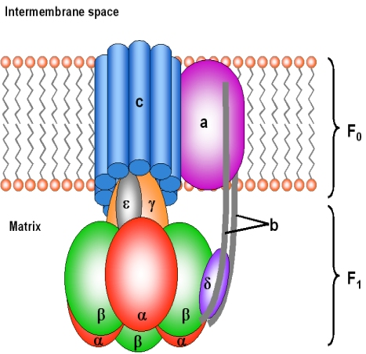
Q.1- Choose a site along the electron transport chain out of the following that is not coupled to ATP synthesis: a) NADH- coenzyme Q (CoQ) reductase b) Succinate-Co Q reductase c) Cytochrome bc1 reductase d) Cytochrome oxidase e) None of the above. Q.2- Choose a statement out of the following that best describes the uncouplers

Biological oxidation and Electron transport chain (Multiple choice questions) – solved- part-3 Read More »

×