Glycolysis -Self-assessment
https://forms.office.com/r/ky2NTyE4s4
Glycolysis -Self-assessment Read More »
https://forms.office.com/r/ky2NTyE4s4
Glycolysis -Self-assessment Read More »
🎧 Episode Summary: Welcome to Biochem Bytes, your go-to podcast for mastering core biochemistry topics in minutes. In today’s episode, we’re breaking down glycolysis—the central pathway of glucose metabolism. Glycolysis Simplified: Glycolysis is a 10-step metabolic pathway that occurs in the cytoplasm of all cells. It converts one molecule of glucose (a 6-carbon sugar) into
A Summary Of Glycolysis Read More »
Revise the essential concepts of carbohydrate metabolism with this comprehensive set of multiple-choice questions spanning all major pathways—glycolysis, gluconeogenesis, TCA cycle, glycogen metabolism, and the pentose phosphate pathway. Ideal for USMLE prep and biochemistry exams, this resource offers rapid revision with clear explanations for each answer.
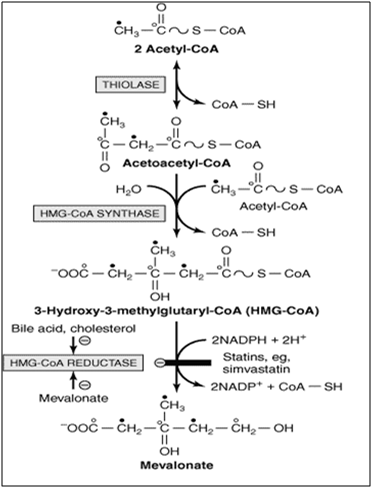
Biosynthesis of cholesterol The biosynthesis of cholesterol may be divided into five steps: (1) Synthesis of Mevalonate from acetyl-CoA. (2) Formation of Isoprenoid units from Mevalonate by loss of CO2. (3) Condensation of six isoprenoid units forms Squalene. (4) The cyclization of Squalene gives rise to the parent steroid, Lanosterol. (5)Formation of cholesterol from lanosterol.
Biosynthesis of cholesterol- a quick revision Read More »
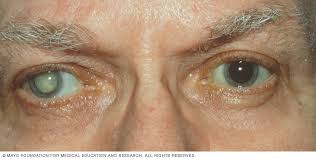
Case details A 54- year-old man with Type 1 diabetes is referred to an ophthalmologist for evaluation of developing cataracts. Blood chemistry results are shown below: Fasting blood glucose 198 mg/dl Hemoglobin A 15 gm/dl Hemoglobin A1c 10% of total Hb Urine ketones Positive Urine glucose Positive Which of the following enzymes is most strongly
Question of the week Read More »
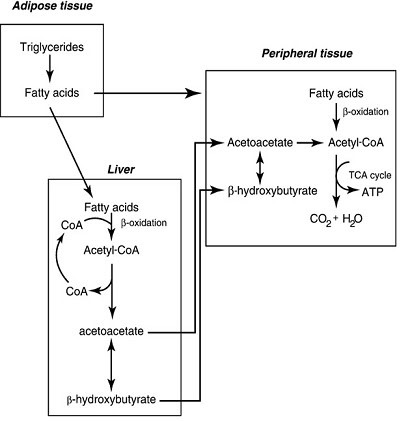
Utilization of ketone bodies The ketone bodies are water-soluble and are transported across the inner mitochondrial membrane as well as across the blood-brain barrier and cell membranes. Thus, they can be used as a fuel source by a variety of tissues, including the CNS. They are preferred substrates for aerobic muscle and heart, thus sparing
Utilization of ketone bodies and ketosis- lecture 3 Read More »
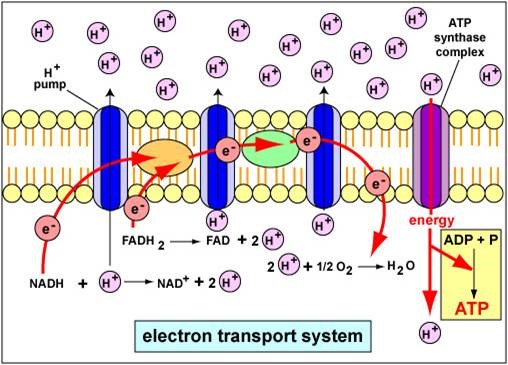
Q.- Adenosine triphosphate (ATP) is the energy currency within the cell. Which of the following best describes the type of compound ATP is? A. Phospholipid B. Amino acid C. Nucleotide D. Triacylglycerol E. Oligosaccharide. Details The correct answer is -C- Nucleotide. The nucleotide coenzyme adenosine triphosphate (ATP) is the most important form of chemical energy
ATP- The energy currency within the cell Read More »