Philadelphia chromosome

Oncogenes in Human Cancer: A Deep Dive

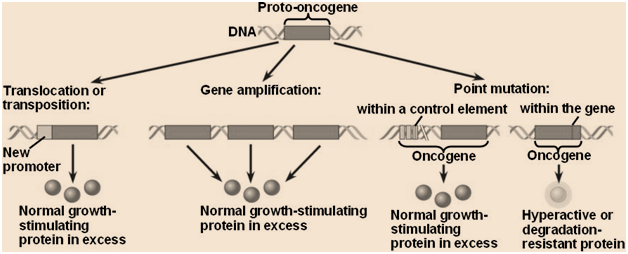
Oncogenes are key drivers of cancer, originating from proto-oncogenes that regulate normal cell functions. When mutated or overexpressed, they lead to uncontrolled cell growth and tumor formation. This article explores the molecular mechanisms of oncogene activation, including point mutations, gene amplification, chromosomal rearrangements, and viral insertional mutagenesis. Understanding these pathways has paved the way for targeted cancer treatments, offering new hope in oncology research and patient care.

Oncogenes in Human Cancer: A Deep Dive Read More »
DNA Damage And Repair

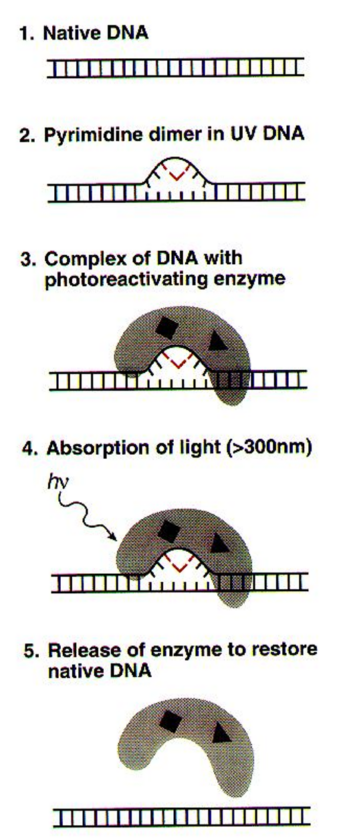
DNA in the living cell is subjected to many chemical alterations. If the genetic information encoded in the DNA is to remain uncorrupted, any chemical changes must be corrected. A failure to repair DNA produces a mutation. Agents that Damage DNA Radiations- Highly reactive oxygen radicals produced during normal cellular respiration as well as by other biochemical pathways Ionizing

DNA Damage And Repair Read More »

Oncogenes- lecture-3

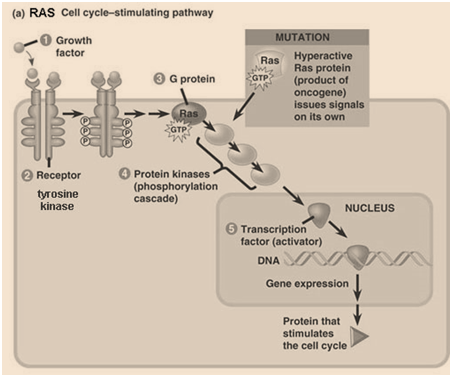
Oncogenes in Human Cancer Oncogenes are cancer susceptibility genes. Proto-oncogenes are normal genes that are present in normal cells and are involved in normal growth and development. Under certain circumstances due to the effect of certain processes protooncogenes are converted to Oncogenes. Significance of Proto-oncogenes In the normal cellular environment, proto-oncogenes have crucial roles in

Oncogenes- lecture-3 Read More »

×