ATP- The energy currency within the cell

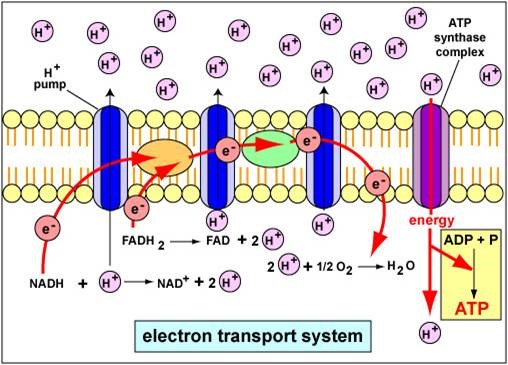
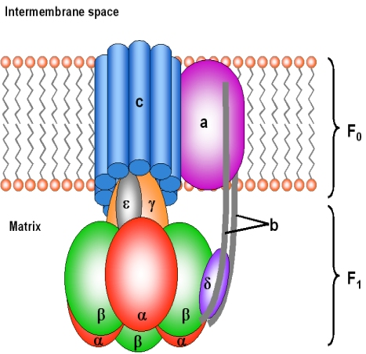
Q.- Adenosine triphosphate (ATP) is the energy currency within the cell. Which of the following best describes the type of compound ATP is? A. Phospholipid B. Amino acid C. Nucleotide D. Triacylglycerol E. Oligosaccharide. Details The correct answer is -C- Nucleotide. The nucleotide coenzyme adenosine triphosphate (ATP) is the most important form of chemical energy […]

ATP- The energy currency within the cell Read More »

Renal clearance- a quick revision

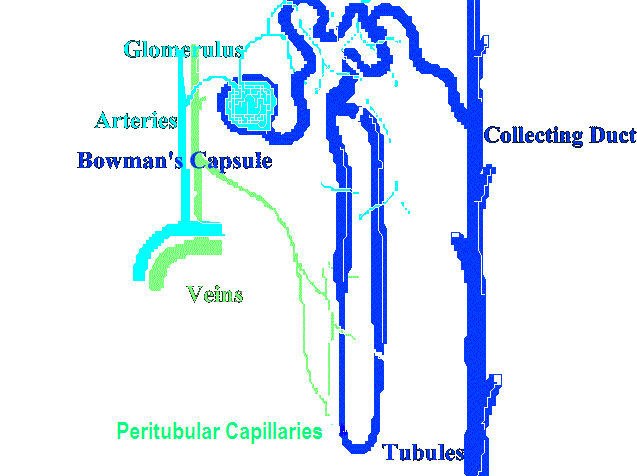
Introduction Renal clearance is a measurement to analyze the functions of the kidney. By definition, clearance is the volume of plasma from which the excretion completely removes a substance through the kidney in a given amount of time (usually a minute). For example, the clearance for urea is 75 ml/min. This means that the kidney

Renal clearance- a quick revision Read More »

Fatty Acid Synthesis: Key Steps, Enzymes, and Clinical Relevance Explained

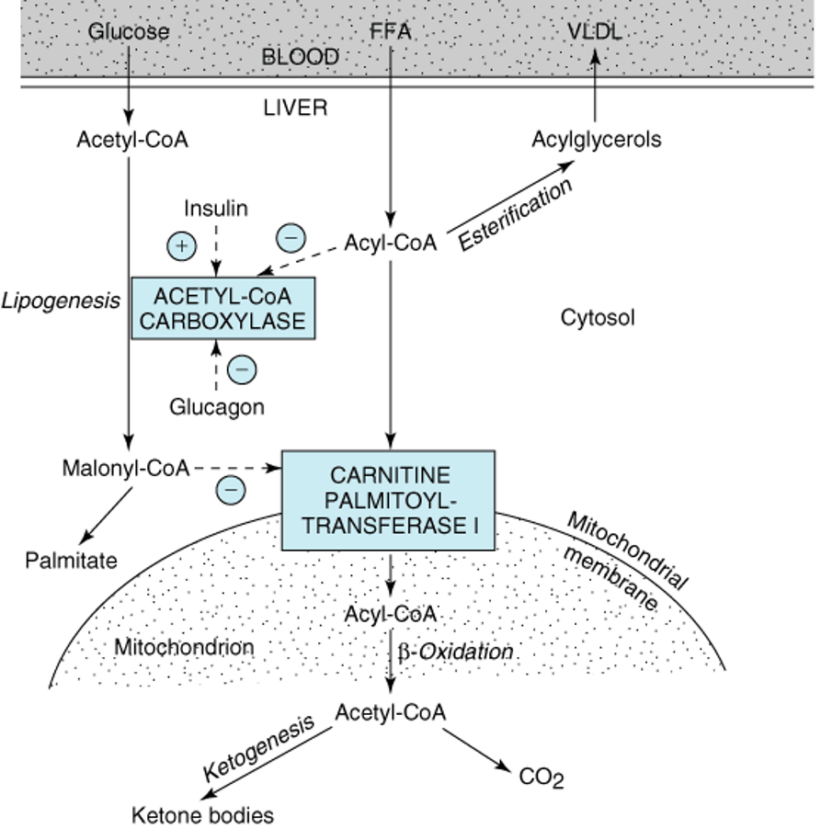
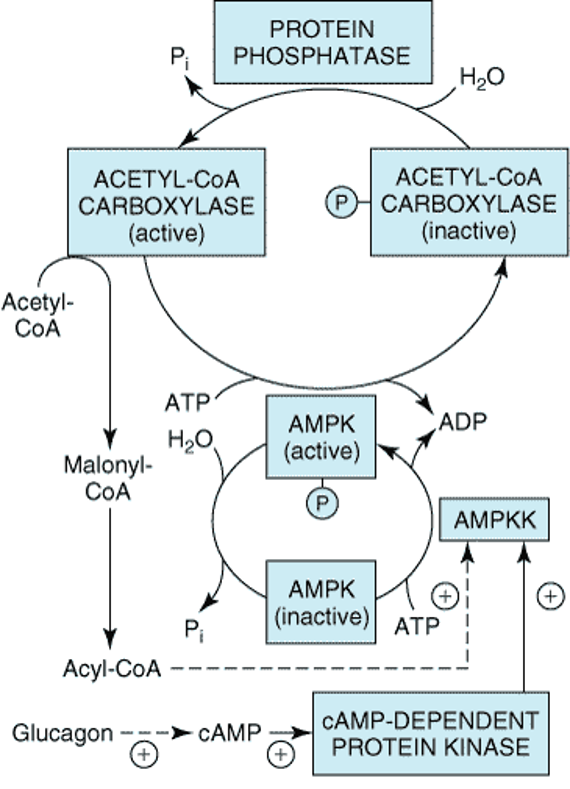
Fatty acid synthesis takes place in three stages- Initiation, Elongation, and Termination Step-1- Initiation a) Formation of Malonyl CoA The fatty acid synthesis starts with the carboxylation of acetyl-CoA to malonyl-CoA. This irreversible reaction is the committed step in fatty acid synthesis. The synthesis of malonyl-CoA is catalyzed by acetyl-CoA carboxylase, which contains a biotin prosthetic

Fatty Acid Synthesis: Key Steps, Enzymes, and Clinical Relevance Explained Read More »

Fatty Acid Synthesis- Lecture 3 (fatty acid synthase complex)  

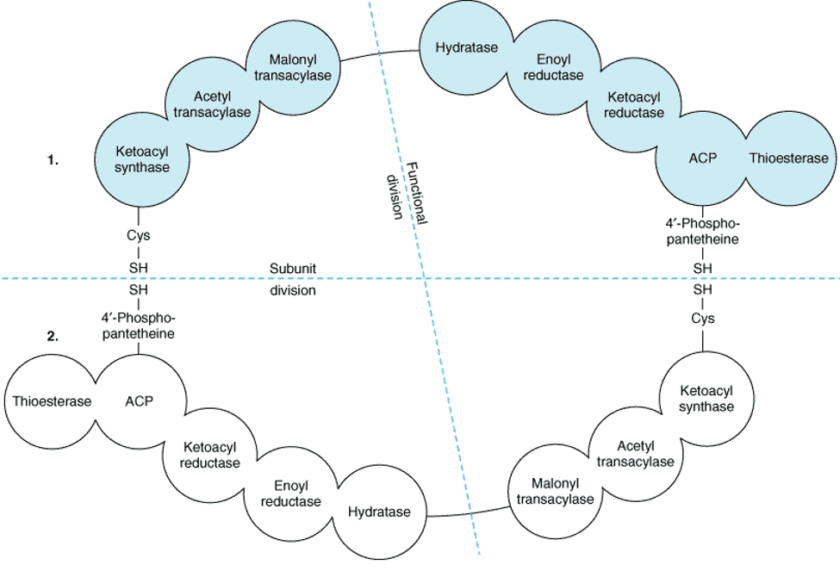
Fatty acid synthase complex is the second most important enzyme complex in the pathway of de novo fatty acid biosynthesis. In mammals, the fatty acid synthase complex is a dimer comprising two identical monomers, each containing all seven enzyme activities of fatty acid synthase on one polypeptide chain. Each chain is folded into three domains

Fatty Acid Synthesis- Lecture 3 (fatty acid synthase complex)   Read More »

Fatty Acid Synthesis- Lecture 2 (Acetyl CoA Carboxylase)

The fatty acid synthesis starts with the carboxylation of acetyl CoA to malonyl CoA. This irreversible reaction is the committed step in fatty acid synthesis (figure 1). Figure- 1- Showing the formation of Malonyl Co A from Acetyl Co A Bicarbonate as a source of CO2 is required in the initial reaction for the carboxylation

Fatty Acid Synthesis- Lecture 2 (Acetyl CoA Carboxylase) Read More »

Alcohol Induced Metabolic Changes- A Case Study

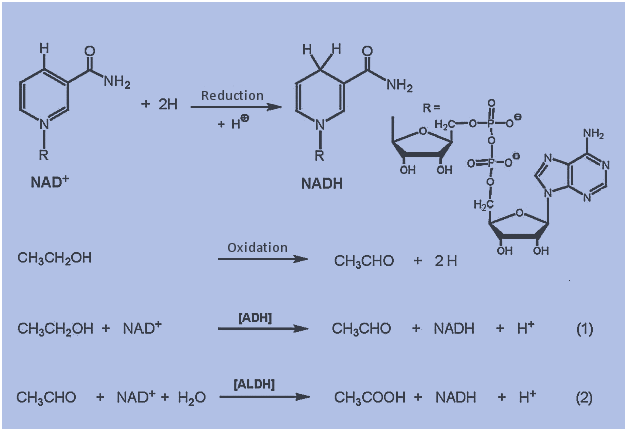
Case details A 65-year-old man was admitted to the emergency department in an unconscious state. Apparently, he had become increasingly depressed after the death of his younger son two months ago. Previously, before his death, he had been a moderate drinker, but consumption of alcohol had increased markedly over the last few weeks. He had

Alcohol Induced Metabolic Changes- A Case Study Read More »

Acid-base Imbalance- Case Studies With Explanations

Case study1   A 45 year-old-female suffering from bronchial asthma was brought to the emergency in a critical state with extreme difficulty in breathing. The blood gas analysis revealed the following: pH- 7.3 PCO2– 46 mm Hg PO2– 55 mm Hg HCO3– 24meq/L What is your Interpretation? Case details-  Low pH – acidosis Low PO2

Acid-base Imbalance- Case Studies With Explanations Read More »

Acid-base balance-Lecture 3-(Role of lungs and kidney)

Normal Acid-Base Homeostasis and Role of Lungs Systemic arterial pH is maintained between 7.35 and 7.45 by extracellular and intracellular chemical buffering together with respiratory and renal regulatory mechanisms. The control of arterial CO2 tension (paCO2) by the central nervous system and respiratory systems and the control of the plasma bicarbonate by the kidneys stabilize

Acid-base balance-Lecture 3-(Role of lungs and kidney) Read More »

Acid- base balance- Lecture 2 (Role of blood buffers)

Buffers Buffers are weak acids or bases that are able to minimize changes in pH by taking up or releasing H+. Phosphate is an example of an effective buffer, as in the following reaction: HPO4 2- + (H+)  «H2 PO4 – Upon addition of an H+ to extracellular fluids, the monohydrogen phosphate binds H+ to

Acid- base balance- Lecture 2 (Role of blood buffers) Read More »

×