Structure and functions of cholesterol

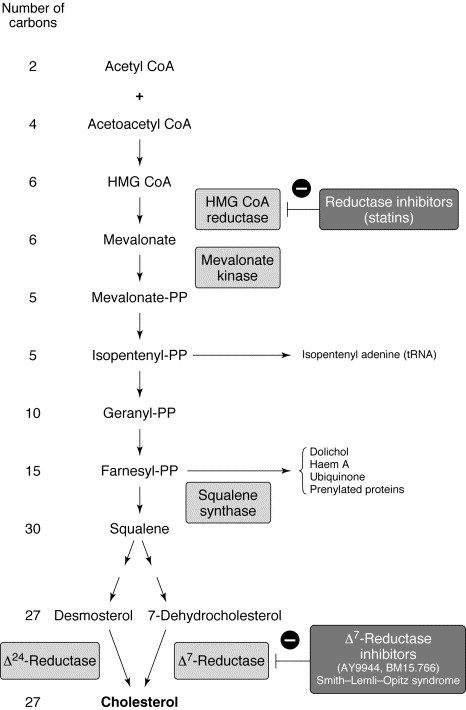
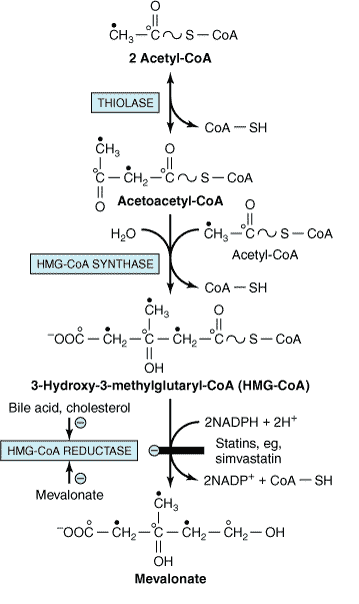
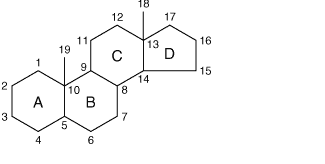
Structure and functions of cholesterol Cholesterol is the major sterol in the animal tissues. The structure of cholesterol consists of four fused rings (the rings in steroids are denoted by the letters A, B, C, and D), with the carbons numbered in the sequence, and an eight numbered, and branched hydrocarbon chain attached to the […]

Structure and functions of cholesterol Read More »

Image challenge 3

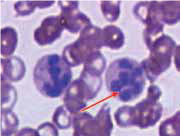
Case details The peripheral blood film (figure) of a strict vegetarian suffering from generalized weakness, easy fatigue, sore tongue, and foot drop has been displayed. What might be the diagnosis? Case details Most probably, the patient is suffering from megaloblastic anemia due to cobalamine deficiency. The cause for this anemia is a strict vegetarian dietary

Image challenge 3 Read More »

Starvation induced metabolic alterations

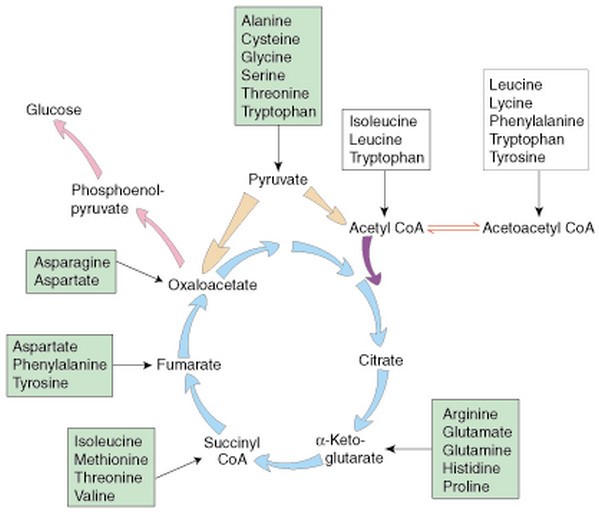
 A 23 –year- old female was brought for consultation by her mother, who was troubled by her daughter’s continuous fatigue, dizziness, and loss of weight. The patient was 6 feet 2 inches tall and weighed 100 pounds. Further questioning revealed that the young woman had been virtually fasting for four months, hoping to obtain a

Starvation induced metabolic alterations Read More »

Question of the week

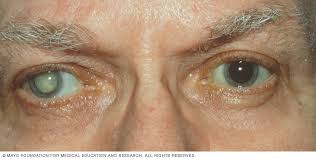
Case details A 54- year-old man with Type 1 diabetes is referred to an ophthalmologist for evaluation of developing cataracts. Blood chemistry results are shown below: Fasting blood glucose   198 mg/dl Hemoglobin A                  15 gm/dl Hemoglobin A1c             10% of total Hb Urine ketones                   Positive Urine glucose                    Positive Which of the following enzymes is most strongly

Question of the week Read More »

Molecular Biology- Viva Questions- Set -1

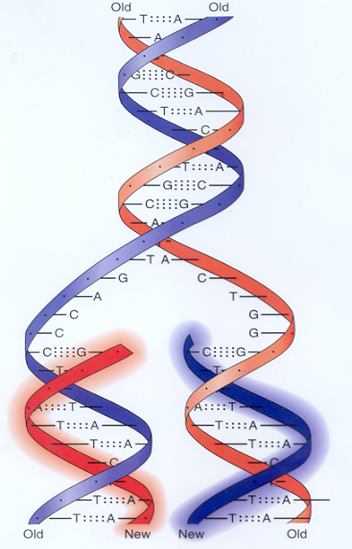
1-State Chargaff’s rule In DNA molecules, the concentration of deoxyadenosine (A) nucleotides equals that of thymidine (T) nucleotides (A = T), while the concentration of deoxyguanosine (G) nucleotides equals that of deoxycytidine (C) nucleotides (G = C). 2- What is meant by hyperchromicity of denaturation?  The conjugated double bonds of purine and pyrimidine derivatives absorb

Molecular Biology- Viva Questions- Set -1 Read More »

Utilization of ketone bodies and ketosis- lecture 3

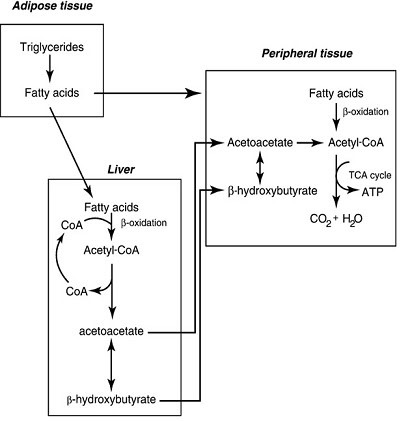
Utilization of ketone bodies The ketone bodies are water-soluble and are transported across the inner mitochondrial membrane as well as across the blood-brain barrier and cell membranes. Thus, they can be used as a fuel source by a variety of tissues, including the CNS. They are preferred substrates for aerobic muscle and heart, thus sparing

Utilization of ketone bodies and ketosis- lecture 3 Read More »

Ketogenesis-lecture 2

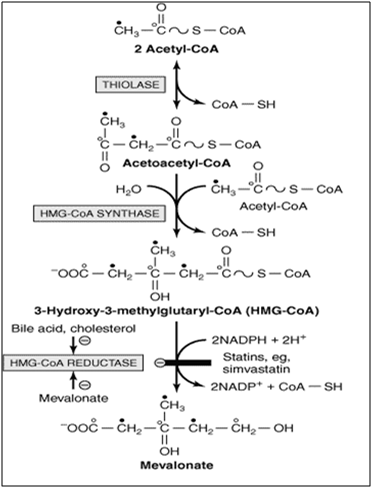
Ketogenesis Ketogenesis takes place in the liver using Acetyl CoA as a substrate or a precursor molecule. Enzymes responsible for ketone body formation are associated mainly with the mitochondria. Steps of synthesis-Acetoacetate (the first ketone body) is formed from acetyl CoA in three steps (figure ). 1)Two molecules of acetyl CoA condense to form Acetoacetyl

Ketogenesis-lecture 2 Read More »

Ketone bodies and their biological significance- lecture 1

Ketone bodies Ketone bodies can be regarded as a water-soluble, transportable form of acetyl units. Fatty acids are released by adipose tissue and converted into acetyl units by the liver, which then exports them as ketone bodies. Acetoacetate, D(-3) -hydroxybutyrate (Beta-hydroxybutyrate), and acetone are often referred to as ketone bodies (figure-1). Figure-1- showing the structure

Ketone bodies and their biological significance- lecture 1 Read More »

Regulatory Mechanisms- Lipid Metabolism (summary Chart)

  Enzyme and pathway Effect of substrate concentration Allosteric Modification/ Feedback Inhibition/Covalent modification Induction/ Repression Clinical Significance Acetyl CoA Carboxylase (Fatty acid synthesis) Activity increases during the well-fed state Activity decreases during fasting Activator- Citrate, ATP Acetyl CoA Insulin- activates the enzyme by covalent modification of the enzyme (dephosphorylation through stimulating protein phosphatase enzyme) Inhibitors– Long-chain fatty

Regulatory Mechanisms- Lipid Metabolism (summary Chart) Read More »

×