Molecular Biology-Review-Part-6
Molecular Biology-Review-Part-6 Read More »
1. Which DNA repair mechanism primarily corrects replication errors such as base mispairing? A. Base excision repair B. Homologous recombination C. Mismatch repair D. Nucleotide excision repair E. Direct repair Correct Answer: C) Mismatch repair Detailed Explanation: Mismatch repair (MMR) is the primary DNA repair mechanism that corrects errors introduced during DNA replication, particularly base-base
Genetic Mutation Question Bank: Case-Based MCQs with Explanations Read More »
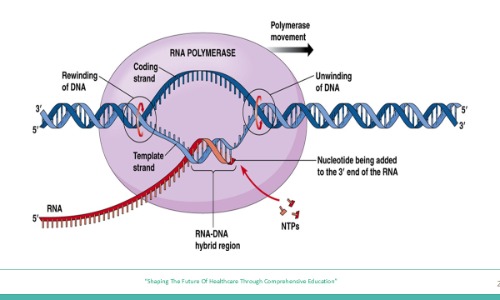
1. A previously healthy 8-year-old develops symptoms of fatigue and anemia. Bone marrow biopsy reveals decreased erythropoiesis, and further molecular analysis shows that the transcription of β-globin mRNA is markedly reduced due to a defect in the assembly of the pre-initiation complex. However, RNA polymerase II is intact and enzymatically functional. Which of the following
“Master Transcription with Case-Based MCQs: Test Your Understanding!” Read More »
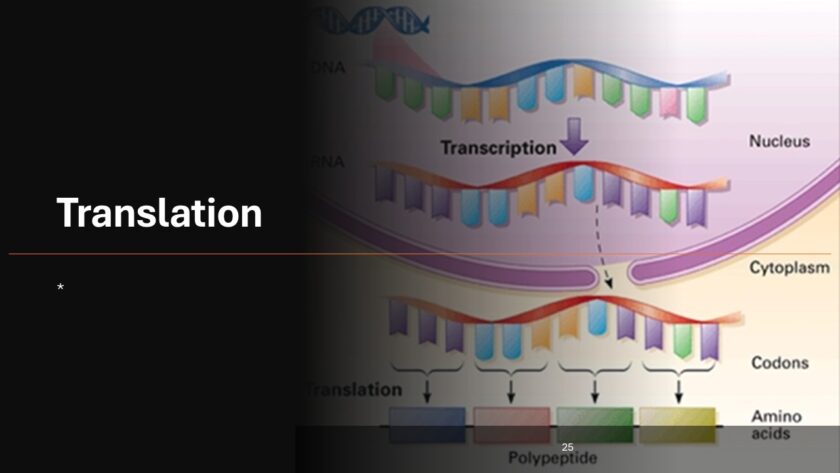
1. The following are all characteristics of the genetic code except: a) Universalb) Degeneratec) Non-overlappingd) Ambiguous Correct Answer: d) Ambiguous Explanation: The genetic code has several key characteristics: Universal → The same codons specify the same amino acids across nearly all organisms, with few exceptions (e.g., mitochondrial genomes). Degenerate → Multiple codons can code for
Genetic Code and Translation: Deciphering the Blueprint of Life Read More »
Test your knowledge of DNA damage and repair with 15 case-based multiple-choice questions (MCQs). This post covers essential repair mechanisms, including homologous recombination, base excision repair, mismatch repair, and nucleotide excision repair, with clinical applications in genomic instability, cancer biology, and radiation sensitivity. A must-read for medical students, geneticists, and oncology researchers!
Understanding DNA Repair: 15 High-Yield Case-Based Questions Read More »
Case 1: RNA Virus Mutation A researcher is studying a new RNA virus. Unlike DNA viruses, RNA viruses mutate more rapidly. The researcher finds that this rapid mutation is linked to the virus’s single-stranded RNA structure. Question 1: Why does the single-stranded nature of RNA contribute to the high mutation rate in RNA viruses? A)
Case-Based MCQs on RNA Structure and Function: Test Your Knowledge Read More »
Understanding DNA structure and organization is crucial in molecular biology and medicine. This guide covers key concepts like nucleosome assembly, euchromatin vs. heterochromatin, histone modifications, and DNA packaging, with exam-style case-based questions to enhance learning.
Case-Based Multiple-Choice Questions on DNA Structure and Organization Read More »