USMLE Content

NBME-Style Case-Based Questions on the regulation of glycolysis with explanations

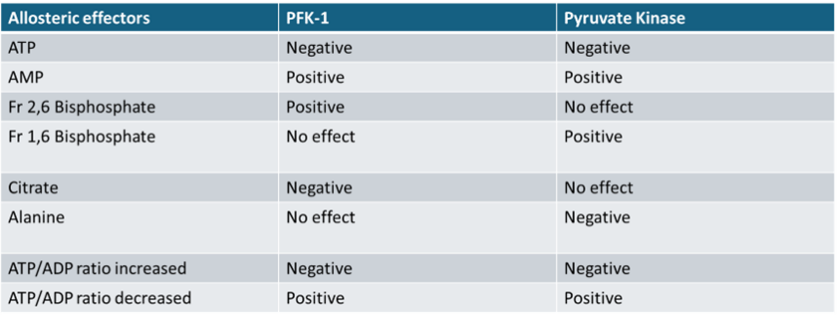
Question 1: A 25-year-old man runs a marathon. After 20 miles, his muscle cells are relying heavily on glycolysis for energy production. Which of the following changes is most likely increasing the rate of glycolysis in his muscles? A. Accumulation of alanine B. Decreased availability of glucose C. Decreased oxygen levels D. Increased AMP concentration […]

NBME-Style Case-Based Questions on the regulation of glycolysis with explanations Read More »

Summary of Regulation of Glycolysis

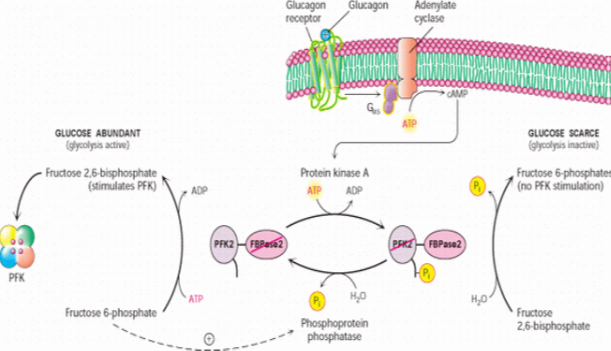
Glycolysis is the metabolic pathway that converts glucose into pyruvate, generating ATP and NADH in the process. It occurs in the cytoplasm of cells and is essential for energy production. Glycolysis is regulated at multiple levels to match energy demand with supply. Modes of Glycolysis Regulation Substrate Concentration The availability of glucose directly influences the

Summary of Regulation of Glycolysis Read More »

A Summary Of Glycolysis

🎧 Episode Summary: Welcome to Biochem Bytes, your go-to podcast for mastering core biochemistry topics in minutes. In today’s episode, we’re breaking down glycolysis—the central pathway of glucose metabolism. Glycolysis Simplified: Glycolysis is a 10-step metabolic pathway that occurs in the cytoplasm of all cells. It converts one molecule of glucose (a 6-carbon sugar) into

A Summary Of Glycolysis Read More »

Carbohydrate Metabolism – A Quick Revision with Multiple Choice Questions Covering All Pathways

Revise the essential concepts of carbohydrate metabolism with this comprehensive set of multiple-choice questions spanning all major pathways—glycolysis, gluconeogenesis, TCA cycle, glycogen metabolism, and the pentose phosphate pathway. Ideal for USMLE prep and biochemistry exams, this resource offers rapid revision with clear explanations for each answer.

Carbohydrate Metabolism – A Quick Revision with Multiple Choice Questions Covering All Pathways Read More »

Amino Acid Metabolism- Set 2- Multiple-Choice Questions

Q.1 – A 12-year-old boy develops convulsions. After an Electroencephalogram (EEG), a neurologist determines that the child has epilepsy. He is started on benzodiazepine, which promotes the activity of GABA. GABA is derived from Glutamate by which of the following reactions?A) DeaminationB) DecarboxylationC) DehydrogenationD) HydroxylationE) TransaminationAnswer: B) DecarboxylationExplanation: GABA (gamma-aminobutyric acid) is synthesized from glutamate

Amino Acid Metabolism- Set 2- Multiple-Choice Questions Read More »

Amino acid Metabolism- Multiple-Choice Questions- Set 1

Test your understanding of amino acid metabolism with this high-yield multiple-choice question set designed for medical and health science students. Covering key pathways, clinical correlations, and enzyme functions, this Amino Acid MCQ Set 1 is perfect for USMLE, board exams, and biochemistry reviews. Each question includes a detailed explanation to support deep learning and exam readiness.

Amino acid Metabolism- Multiple-Choice Questions- Set 1 Read More »

Enzymology Revision (Multiple Choice Questions With Complete Explanations)

Q.1: Glycogen phosphorylase, which mobilizes glycogen for energy, requires which of the following as a cofactor? Adenosyl Cobalamine Coenzyme A Pyridoxal phosphate Tetrahydrofolate Thiamine pyrophosphate Correct Answer: C) Pyridoxal phosphate Explanation: Glycogen phosphorylase is instrumental in the process of glycogenolysis, where it facilitates the breakdown of glycogen into glucose-1-phosphate, thereby playing a vital role in

Enzymology Revision (Multiple Choice Questions With Complete Explanations) Read More »

Enzyme inhibition

A 54-year-old man complains of an acute onset of unilateral eye pain and a reduction in visual acuity. Conjunctival injection (eye redness) and a mild-dilated and non-reactive pupil are observed on physical examination. Fundoscopic examination reveals cupping of the optic disc. Recognizing the signs and symptoms of glaucoma, Acetazolamide is administered to decrease the production

Enzyme inhibition Read More »

Biochemistry-Problem-based multiple choice questions

1)- Several complexes in the electron transport chain contain non-heme iron. The iron in these complexes is bound tightly to which of the following amino acids? a) Serine b) Tyrosine c) Cysteine d) Methionine e) Glutamine 2)- A 27 –year-old female with epilepsy has been taking Phenytoin to control her seizures. She is pregnant and

Biochemistry-Problem-based multiple choice questions Read More »

×