USMLE Content

Multiple-choice questions- Chemistry of carbohydrates- Revision- Set-2

Q.1- Which of the following is not a disaccharide? a) Hyaluronic acid                                             b) Maltose c) Lactose                                            d) Sucrose                                                           Q.2- What is the molecular formula of Glucose? a) CH3OH                                             b) C12H22O11 c) C6H1206                                                             d)  C6H12O5                                            Q.3-Sucrose is composed of which two sugars? a) Glucose and Glucose                                 b) Glucose […]

Multiple-choice questions- Chemistry of carbohydrates- Revision- Set-2 Read More »

Biological oxidation and Electron transport chain (Multiple choice questions) – solved- part-3

Q.1- Choose a site along the electron transport chain out of the following that is not coupled to ATP synthesis: a) NADH- coenzyme Q (CoQ) reductase b) Succinate-Co Q reductase c) Cytochrome bc1 reductase d) Cytochrome oxidase e) None of the above. Q.2- Choose a statement out of the following that best describes the uncouplers

Biological oxidation and Electron transport chain (Multiple choice questions) – solved- part-3 Read More »

Sanfilippo syndrome

Case details A 6-year-old boy is seen by a pediatrician because his parents are concerned about his aggressive behavior, hyperactivity, and a loss of language skills. He also has recently become increasingly unsteady on his feet and has experienced a recent seizure. Slight facial feature coarsening is noted. In which of the following processes is this child

Sanfilippo syndrome Read More »

Gray Baby Syndrome and the Role of Glucuronic acid

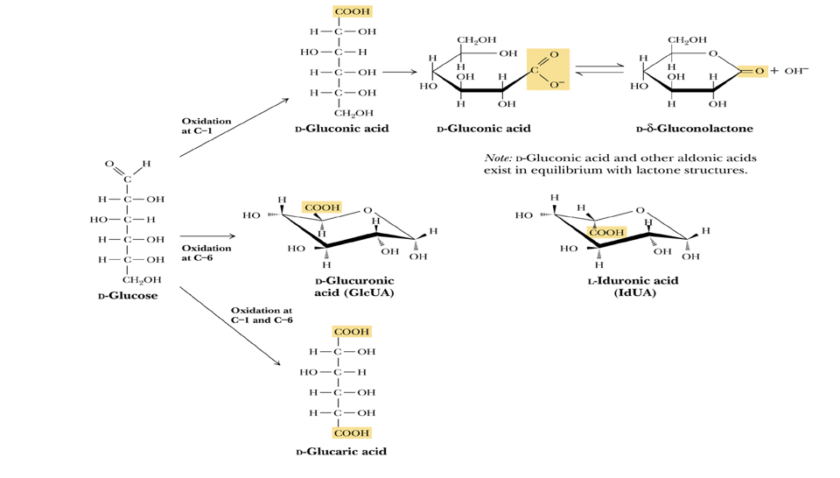
Case details Infants have decreased ability to conjugate Glucuronic acid on to drugs such as Chloramphenicol. Administration of this antibiotic during the neonatal period can result in elevated plasma levels of the drug and a fetal shock-like syndrome referred to as Gray Baby syndrome. (Image courtesy-Gray Baby Syndrome: What You Need to Know) Glucuronic acid

Gray Baby Syndrome and the Role of Glucuronic acid Read More »

Chemical Nature of Sialic acid

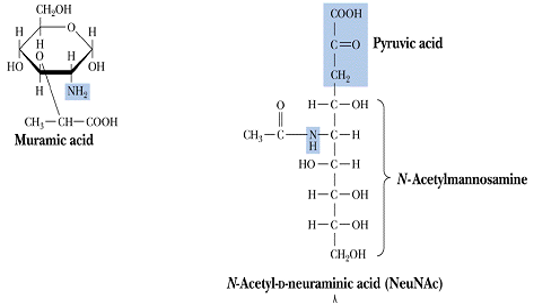
The influenza virus infects cells by binding its viral hemagglutinin to “Sialic acid” on the surface of epithelial cells. Which of the following represents the true chemical nature of sialic acid? A. Glycolipid B. Amino sugar C. Amino sugar acid D. Lipoprotein E. Glycoprotein. Details The correct answer is C- Amino sugar acid. Sialic acid

Chemical Nature of Sialic acid Read More »

Heparin in DVT Management: Mechanism, Uses, and Adverse Effects

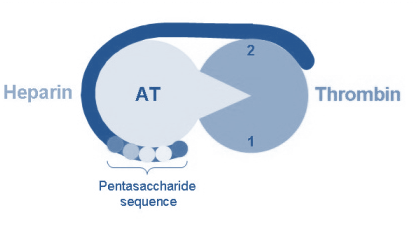
“Explore the role of heparin in managing deep vein thrombosis (DVT). Learn about its chemical nature, anticoagulant mechanism, clinical applications, and potential side effects like thrombocytopenia and osteoporosis.”

Heparin in DVT Management: Mechanism, Uses, and Adverse Effects Read More »

×