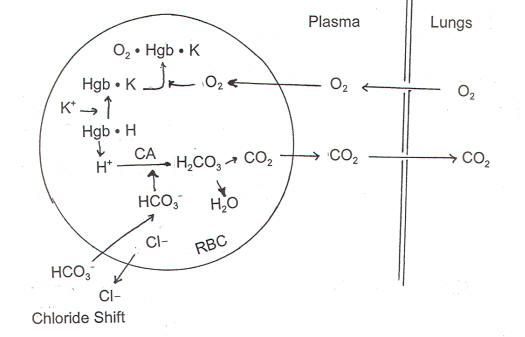
Carbonic anhydrase

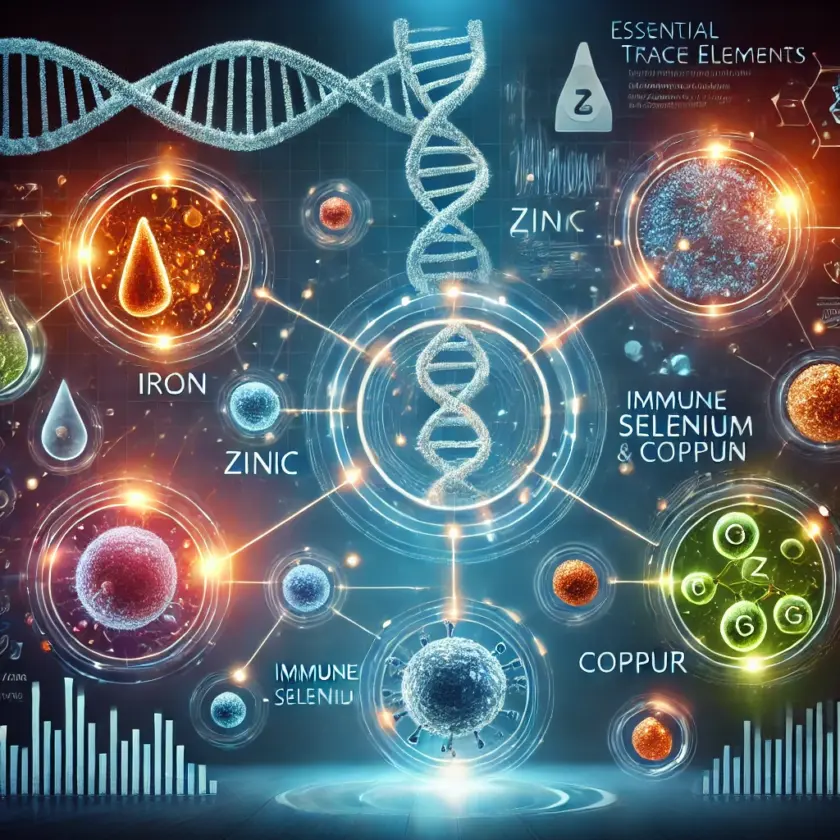
20 High-Yield Case-Based MCQs on Trace Elements: Clinical Scenarios & Explanations

Explore 20 high-yield multiple-choice questions on trace elements, covering essential minerals like calcium, iron, zinc, selenium, and copper. Each case-based question is designed to enhance understanding of clinical presentations, metabolic disorders, and diagnostic approaches. Perfect for medical students, healthcare professionals, and exam preparation!

20 High-Yield Case-Based MCQs on Trace Elements: Clinical Scenarios & Explanations Read More »
Acid- base balance- Lecture 2 (Role of blood buffers)

Buffers Buffers are weak acids or bases that are able to minimize changes in pH by taking up or releasing H+. Phosphate is an example of an effective buffer, as in the following reaction: HPO4 2- + (H+)  «H2 PO4 – Upon addition of an H+ to extracellular fluids, the monohydrogen phosphate binds H+ to

Acid- base balance- Lecture 2 (Role of blood buffers) Read More »

Acid-Base Balance-Lecture-1- Significance of pH

Acid-base balance An acid is a substance that can donate hydrogen ions (H+), and a base is a substance that can accept H+ ions, regardless of the substance’s charge. H2 CO3 (acid) «H+ + HCO3 – (base) Strong acids are those that are completely ionized in body fluids, and weak acids are those that are

Acid-Base Balance-Lecture-1- Significance of pH Read More »

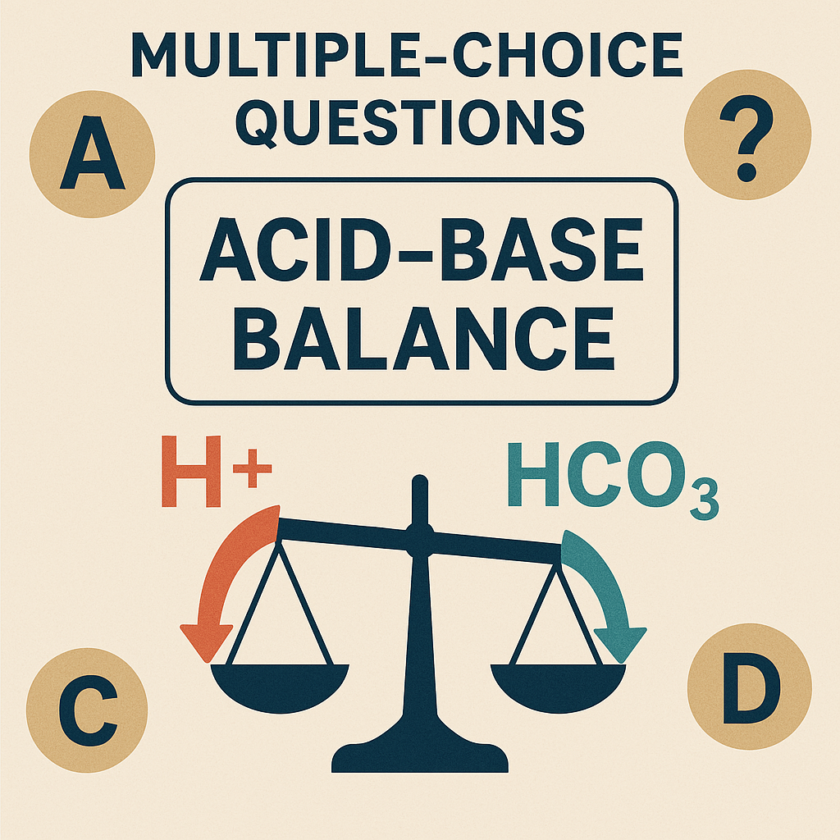
Multiple-Choice Questions- Acid-Base Balance-Test Your Knowledge!

Q.1- A person was admitted in a coma. Analysis of the arterial blood gave the following values: PCO2 16 mm Hg, HCO3– 5 mmol/l and pH 7.1. What is the underlying acid-base disorder? a) Metabolic Acidosis b) Metabolic Alkalosis c) Respiratory Acidosis d) Respiratory Alkalosis Q.2- In a man undergoing surgery, it was necessary to aspirate the contents of

Multiple-Choice Questions- Acid-Base Balance-Test Your Knowledge! Read More »

×