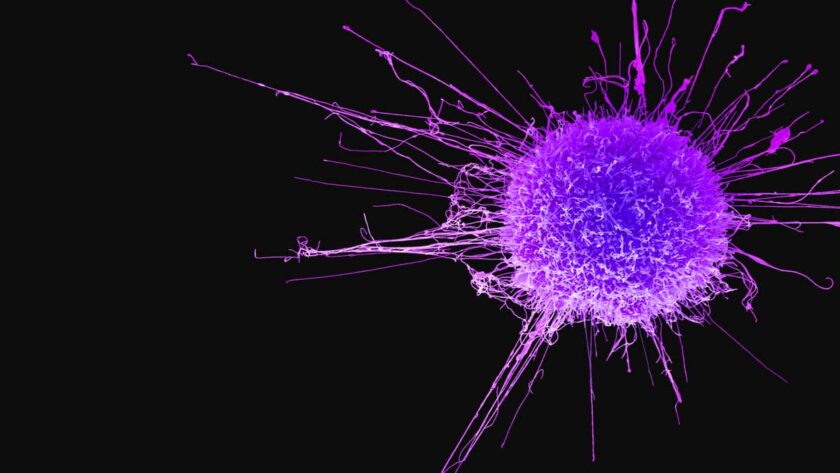
Biochemistry of cancer- A quick revision and a quiz
Biochemistry of cancer- A quick revision and a quiz Read More »

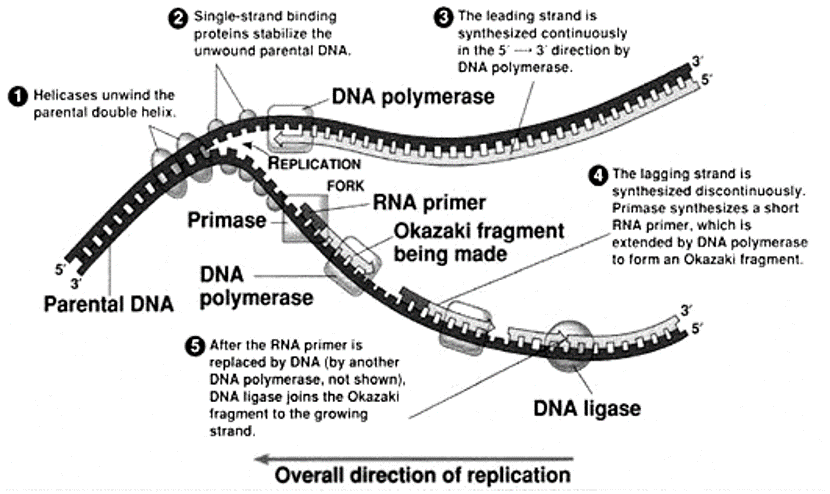
DNA structure and Functions- A quick revision
Structure and Function of DNA Read More »
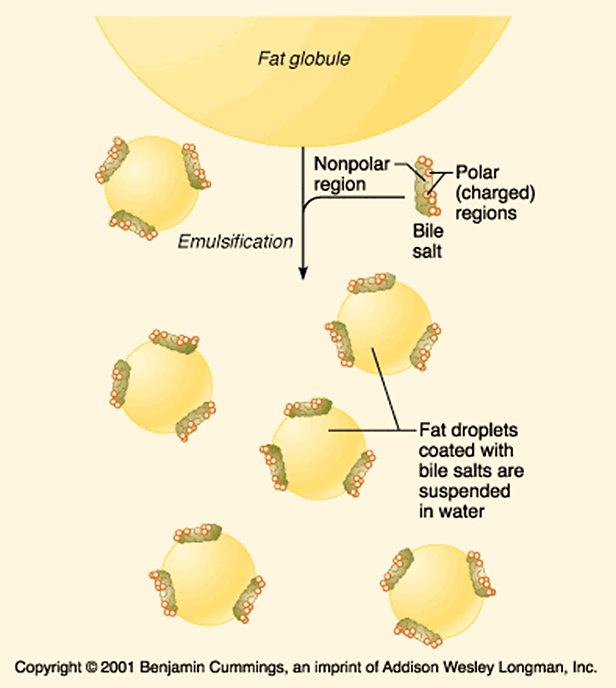
Introduction Lipids are a heterogeneous group of water-insoluble organic molecules that can be extracted from tissues by non-polar solvents. They are the major source of energy for the body. Dietary fat Composition More than 95% are triglycerides, the other are -Cholesteryl esters, phospholipids, and unesterified fatty acids. Dietary sources of Lipids a) Animal Sources Dairy
Digestion of lipids Read More »
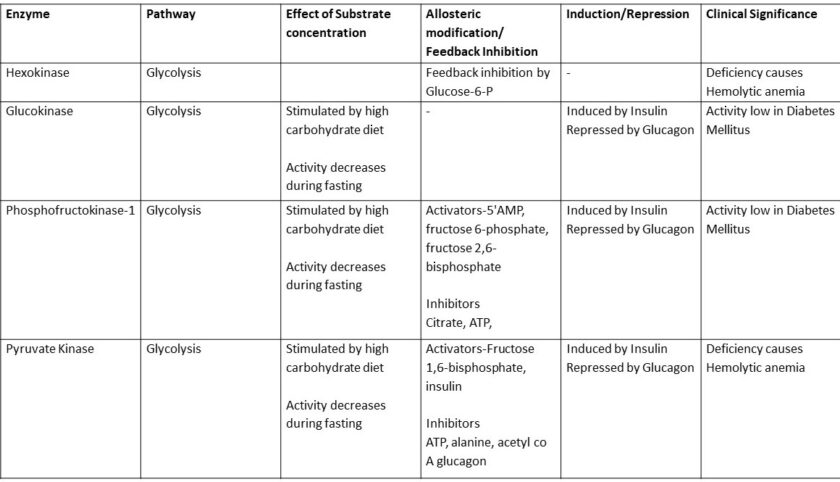
Enzyme Pathway Effect of Substrate Concentration Allosteric Modification/ Feedback Inhibition Induction/Repression Clinical Significance Hexokinase Glycolysis Feedback inhibition by Glucose-6-P – Deficiency causes Hemolytic anemia. Glucokinase Glycolysis Stimulated by a high carbohydrate diet Activity decreases during fasting – Induced by Insulin Repressed by Glucagon Activity low in Diabetes Mellitus Phosphofructokinase-1 Glycolysis Stimulated by a high
Summary- Regulation of Major Pathways Of Carbohydrate metabolism Read More »
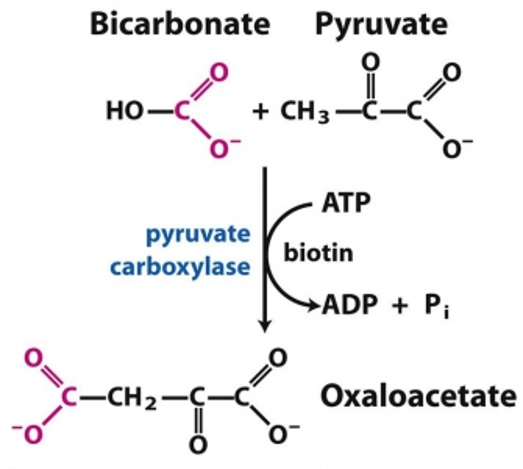
A 32-year-old bodybuilder has decided to go on a diet consisting of egg whites to ensure only proteins for muscle growth. After a few weeks, he experiences decreased energy and is found to be hypoglycemic. A nutritionist tells the patient that he most likely has a deficiency of vitamin Biotin. Which of the following enzymes
Hypoglycemia Due To Biotin deficiency Read More »
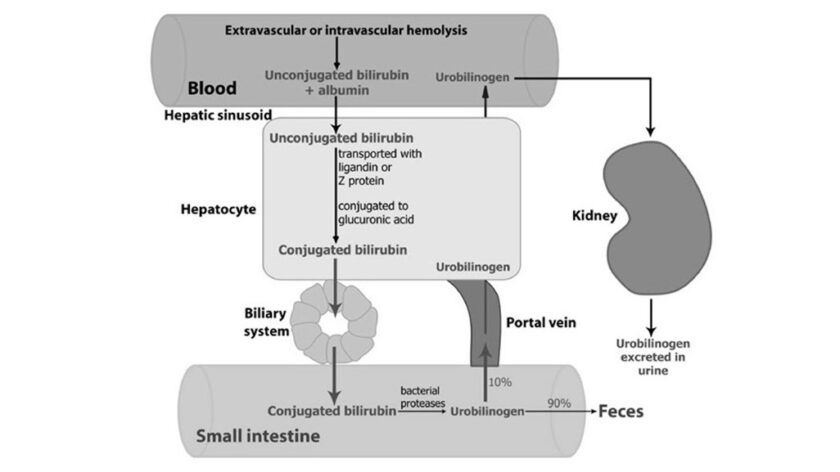
Bilirubin is the end product of heme degradation. From 70–90% of bilirubin is derived from degradation of the hemoglobin of senescent red blood cells. Bilirubin produced in the periphery is transported to the liver within the plasma, where, due to its insolubility in aqueous solutions, it is tightly bound to albumin. Under normal circumstances, bilirubin
Jaundice- An overview Read More »